In rapid fire, small ergonomic details determine how well a rifle returns to target. Grip angle is one of the most overlooked factors. When paired correctly with natural wrist lock, the rifle tracks flatter, transitions faster, and requires less corrective input between shots.
Many shooters chase recoil solutions through muzzle devices or buffers while ignoring the interface that controls the gun the most—the firing hand. Optimizing grip angle and wrist position creates immediate improvements in control and consistency.
Why Grip Angle Influences Recoil Control
Grip angle determines how the wrist aligns behind the rifle. When the angle matches the shooter’s natural wrist position, recoil drives straight back instead of torquing the muzzle upward.
-
Neutral wrist position improves recoil absorption
-
Excess wrist bend introduces vertical climb
-
Proper alignment reduces grip fatigue during strings
The goal is a straight, locked wrist that transfers recoil into the forearm instead of fighting it.
Understanding Natural Wrist Lock
Wrist lock occurs when the firing hand sits in its strongest structural position. In this position, the wrist resists movement with minimal muscular effort.
Signs of Proper Wrist Lock
-
Minimal wrist bend when mounted
-
Consistent trigger reach without shifting grip
-
Reduced muzzle dip or climb between shots
If the wrist must flex forward or backward to reach the trigger comfortably, the grip angle is working against the shooter.
Choosing the Right Grip Angle
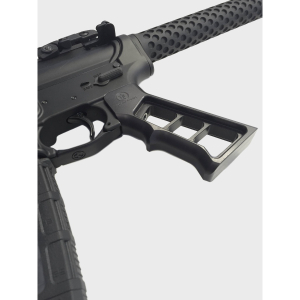
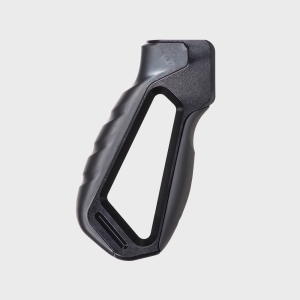
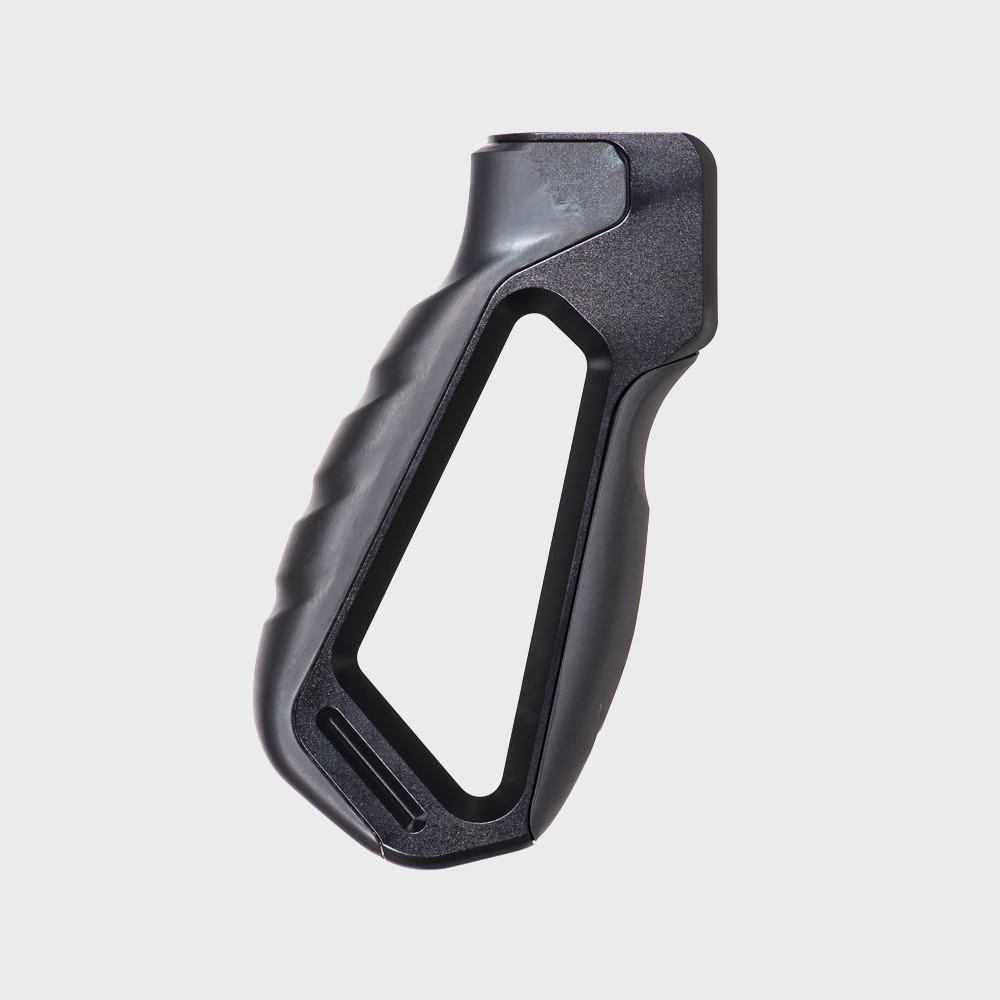
Modern AR grips generally fall into two categories: traditional swept angles and more vertical profiles.
More Vertical Grips
Vertical grips typically support a straighter wrist position, especially on rifles with shorter length of pull or squared shooting stances.
Traditional Angled Grips
More swept grips can feel natural when the stock is extended or when using a more bladed stance. However, they may force additional wrist bend in modern squared setups.
The correct choice depends on stock position, stance, and arm length—not just preference.
Grip Texture and Control Under Speed
Angle sets the wrist position, but texture maintains control during recoil.
-
Moderate texture prevents hand shift during strings
-
Overly aggressive texture causes fatigue
-
Smooth surfaces reduce repeatable grip pressure
Consistent hand placement supports predictable recoil tracking.
Testing Your Setup for Flat Tracking
After selecting a grip, confirm performance through controlled drills.
-
Fire controlled pairs and watch sight return
-
Check for vertical stringing during rapid fire
-
Evaluate wrist comfort after multiple magazines
-
Confirm trigger reach remains consistent
If the muzzle consistently rises or the wrist fatigues quickly, the grip angle likely needs adjustment.
Did You Know?
A neutral wrist position can reduce perceived muzzle movement more than minor recoil spring changes in many AR setups.
Conclusion
Building an AR that tracks flat in rapid fire starts with the firing hand. Matching grip angle to natural wrist lock improves recoil management, speeds up sight recovery, and reduces fatigue during extended strings. When ergonomics are aligned correctly, the rifle returns to target with less effort and greater consistency. To explore grip options designed for modern control, browse AR-15 grips engineered for performance-focused setups.
FAQs
How do I know if my grip angle is wrong?
If your wrist bends noticeably when mounted or the rifle climbs excessively, the angle may be mismatched.
Are vertical grips better for rapid fire?
They often support better wrist alignment in modern squared shooting stances.
Does grip texture matter for recoil control?
Yes. Proper texture helps maintain consistent hand placement during rapid strings.
Should grip choice change with stock position?
Yes. Length of pull and stance both influence ideal grip angle.
Is wrist lock more important than muzzle devices?
Both matter, but proper wrist alignment provides immediate control benefits.