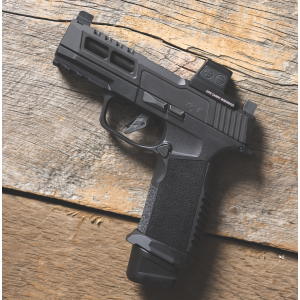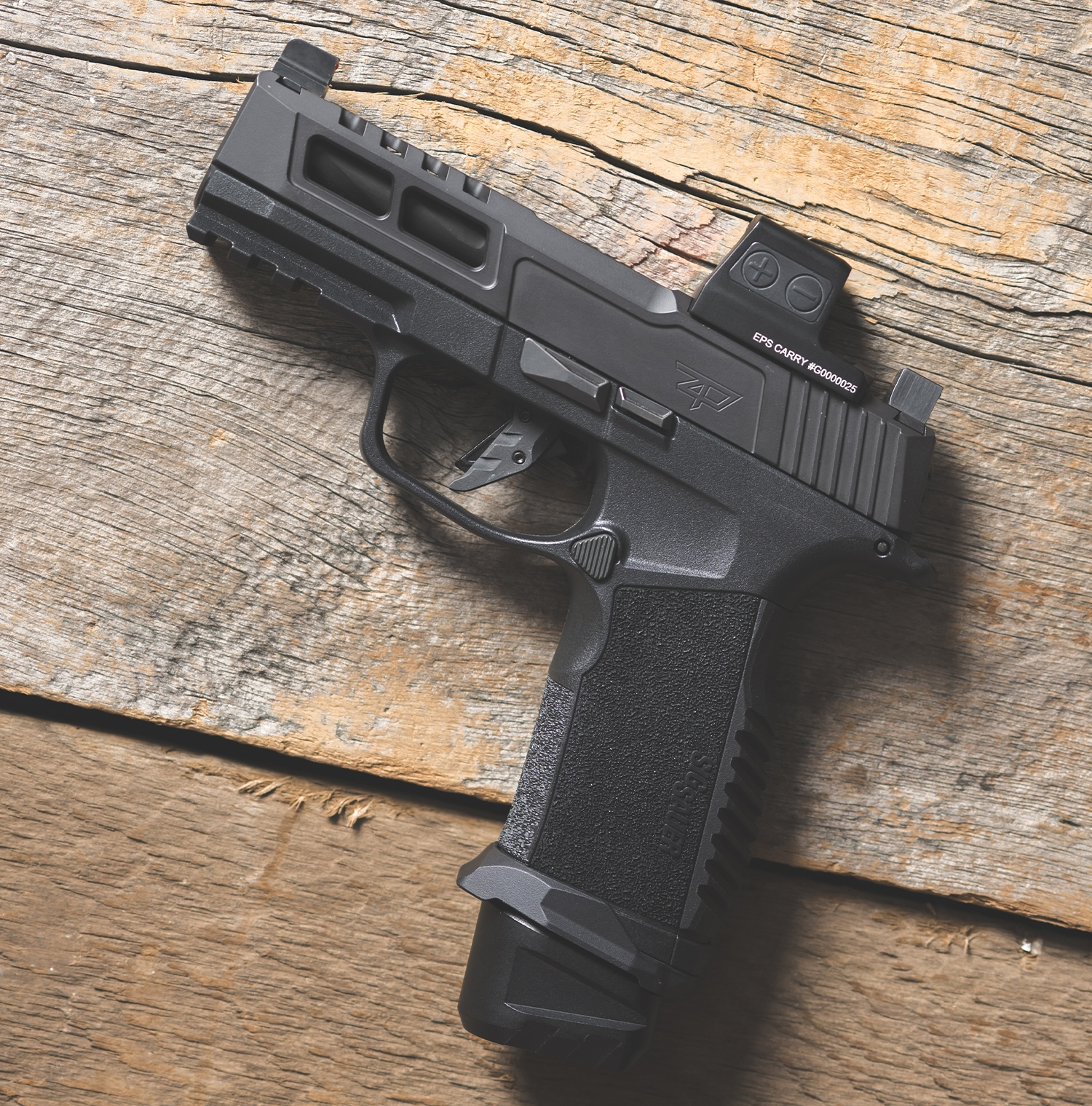
The SIG P365 trigger system is engineered for reliability and safe carry, but many shooters look to reduce pre-travel to achieve a more responsive feel. While modest improvements are possible, aggressive tuning can compromise safety margins or create inconsistent reset behavior. The key is knowing exactly what can be refined—and what must remain untouched.
This guide explains how to approach P365 trigger pre-travel tuning methodically, preserving reliability while improving control.
Understanding Pre-Travel in the P365 System
Pre-travel is the initial trigger movement before the sear begins meaningful engagement. In the P365, this movement serves important functions.
-
It ensures internal safeties disengage properly
-
It provides tolerance for debris and wear
-
It supports consistent striker engagement
Reducing excess slack is possible, but eliminating functional travel is not advisable.
What You Can Safely Reduce
Trigger Shoe Take-Up Perception
Aftermarket trigger shoes can change the perceived amount of pre-travel by improving finger leverage and reducing perceived slack. This improves feel without altering internal safety geometry.
Surface Friction at Contact Points
Carefully refining high-friction surfaces—without changing angles—can smooth the take-up phase. This makes the pre-travel feel shorter and more controlled.
Overtravel (Not Pre-Travel)
Many shooters confuse overtravel with pre-travel. Managing overtravel through proper components can tighten the overall trigger feel without interfering with safety function.
What You Should Not Reduce
Striker Safety Engagement Margin
The trigger must fully disengage the striker safety during its movement. Removing too much pre-travel can prevent full clearance, creating unsafe conditions.
Sear Engagement Geometry
Altering sear surfaces to remove take-up risks light strikes, inconsistent break, or unintended discharge. Engagement angles must remain within design specifications.
Trigger Return Reliability
Excessive reduction can shorten reset distance or create sluggish return under fouled conditions.
Warning Signs of Over-Tuning
If pre-travel has been reduced too aggressively, the pistol will often show early indicators.
-
Failure of the striker safety to fully clear
-
Inconsistent or weak reset
-
Intermittent light primer strikes
-
Trigger failing to return fully forward
Any of these signals require immediate correction.
Best Practices for Safe Tuning
-
Focus on smoothness before reduction
-
Use components designed for the P365 geometry
-
Function-test after every change
-
Maintain factory safety engagement margins
Measured improvements deliver better results than aggressive modification.
Did You Know?
Most perceived trigger improvement comes from smoother take-up rather than dramatically shorter pre-travel.
Conclusion
Safe P365 trigger tuning focuses on refinement, not elimination. Improving perceived take-up, reducing friction, and controlling overtravel deliver a cleaner trigger feel while preserving factory safety margins. Attempting to remove too much pre-travel introduces reliability risks that outweigh the benefits. When properly balanced, the P365 trigger becomes more predictable and responsive without compromising function. To explore precision components designed for SIG platforms, browse SIG Sauer upgrades engineered for dependable performance.
FAQs
Can pre-travel be completely removed on a P365?
No. Functional pre-travel is required for proper safety operation.
Is polishing trigger parts safe?
Yes, if angles are not altered and only friction is reduced.
Why does my trigger feel shorter after a shoe upgrade?
Improved leverage changes perceived take-up without altering geometry.
Does reducing pre-travel affect reset?
It can if taken too far, leading to weak or inconsistent reset.
Should live-fire testing follow trigger work?
Always. Reliability must be verified after any modification.