Conversion kits that adapt AR‑15 receivers to DPMS / AR‑10 pattern components promise big changes: larger cartridges, different bolt/bolt carrier arrangements, and new magazines. Before you buy one, it helps to separate marketing from engineering reality. This guide lays out what’s typically included, compatibility pitfalls, installation considerations, and real-world tradeoffs - so you can decide whether a conversion kit is a practical upgrade or an expensive compromise.
What is a DPMS-pattern conversion kit?
In short: it’s a set of parts that allows an AR‑15-style lower or upper to accept DPMS-style components (commonly associated with .308/7.62×51 / AR‑10 platforms). Kits vary - some are full uppers that bolt onto an AR‑15 lower with an adapter, others include modified bolt carriers, barrels, magazines, and tooling to convert the bolt face and feed geometry.
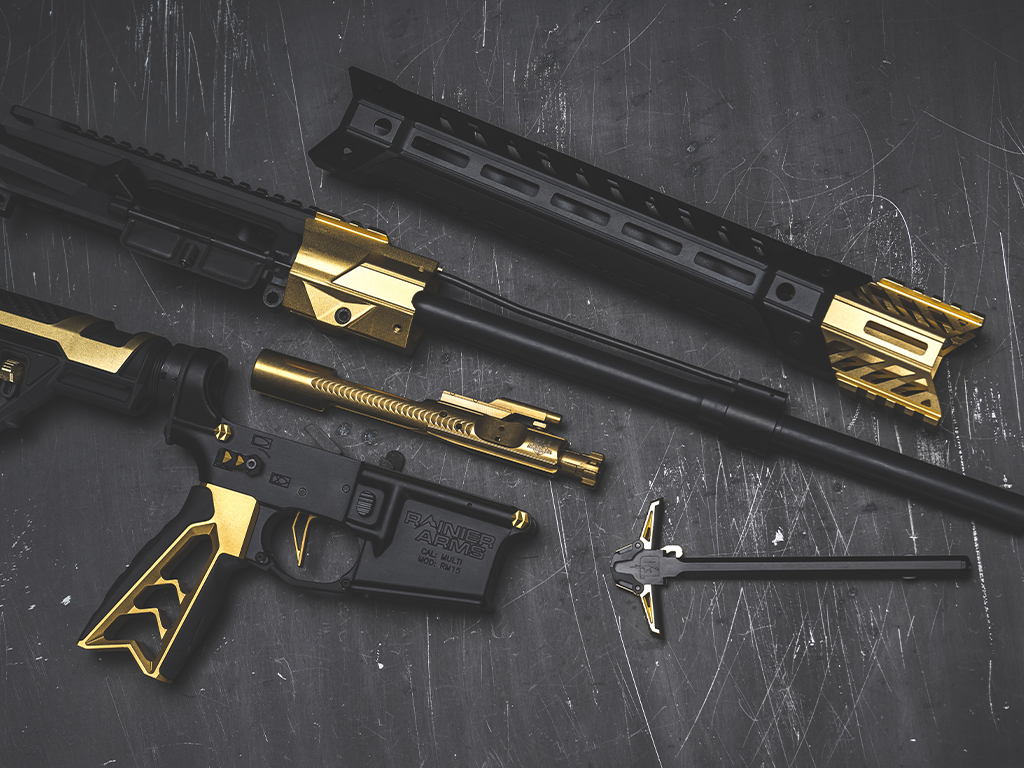
Typical kit contents and components to expect
-
Upper assembly or adapter: Either a complete DPMS-pattern upper (barrel, gas system, barrel extension) or a conversion adapter that interfaces with the AR‑15 lower.
-
Bolt & bolt carrier components: Often unique to DPMS pattern - pay attention to bolt face dimensions and extractor geometry.
-
Barrel & gas system: DPMS kits use different gas port sizes and lengths; proper gas tuning is essential.
-
Magazine well adapters or DPMS-compatible mags: Standard AR‑15 mags will not work; kits may include an adapter or require dedicated magazines.
-
Hardware & springs: New takedown pins, castle nuts, buffers or buffer tubes (sometimes upgraded) and instructions.
Compatibility checklist - what to verify before buying
-
Receiver fitment: Confirm whether your lower is intended to accept the kit’s upper or adapter (single‑stack, enlarged magwell, or specific lower manufacturers can vary).
-
Magazine interface: Verify the exact magwell geometry and whether the kit requires DPMS‑pattern magazines or provides an adapter - mag compatibility is a frequent failure point.
-
Bolt/bolt face & headspace: Ensure the bolt and barrel extension are matched; improper headspace is dangerous and must be checked by a qualified tech.
-
Buffer & recoil system: Many conversions change recoil impulse and require a different buffer weight or spring to function reliably.
-
Barrel threading and gas system: Make sure muzzle devices and suppressors you plan to use are compatible with the new thread/gas setup.
Pros - why owners pursue conversion kits
-
Caliber flexibility: Access to larger cartridges (e.g., .308/7.62×51 family) without buying a whole new rifle platform.
-
Cost and familiarity: Retain your existing stock, controls, and ergonomics while upgrading capability.
-
One-off experiments: Useful for tinkerers who want to prototype different setups or test component fitment.
Cons & practical tradeoffs
-
Reliability risk: Feeding and extraction geometry are different - many kits require careful tuning and specific magazines to run reliably.
-
Weight and balance: DPMS/.308 setups are heavier; your AR‑15 stock and buffer geometry may no longer be ideal.
-
Complex installation: Headspace checks, bolt/barrel matching, and gas tuning often require a gunsmith or advanced skills.
-
Parts ecosystem: Some aftermarket parts (handguards, rails, muzzle devices) may not line up without additional adapters.
Installation & tuning: practical advice
-
Read the kit manual fully. Manufacturers differ - follow their sequence for assembly and torque specs.
-
Headspace checks. After installing the barrel/bolt, perform headspace checks with proper gauges or have a qualified tech verify it.
-
Start with recommended magazines. Use the brand/type the kit vendor specifies; many problems trace to incorrect magazines.
-
Tune gas & buffer. Expect to test different buffer weights, gas block adjustments, or regulator settings to get clean extraction and ejection.
-
Document test results. Log ammo types, buffer specs, and magazine models that function - this saves time troubleshooting later.
Magazines: the often-overlooked constraint
Magazine geometry is the single biggest variable in conversion success. DPMS‑pattern cartridges feed from wider, different‑profile magazines. If a kit requires proprietary or DPMS mags, confirm local availability and legal restrictions. Do not assume AR‑15 mags will work - most do not.
Legal and safety considerations
Converting platforms may change rifle category or local legal status in some jurisdictions. Always confirm local laws before modifying calibers or receiver configurations. From a safety standpoint, mismatched barrels and bolts or improperly checked headspace can cause catastrophic failures - if you aren’t comfortable, use a certified gunsmith.
Did you know?
The most common failure mode with AR‑15 → DPMS conversions is magazine-related feeding issues; solving it usually involves using the exact magazine model tested by the kit maker, minor feed‑ramp polishing, or a magwell adapter rather than swapping major components indiscriminately.
Conclusion - is a DPMS conversion kit right for you?
If you value experimentation and understand the engineering tradeoffs, a well‑documented kit can open new capability without buying a second rifle. If you need absolute, out‑of‑the‑box reliability and minimal tuning, purchasing a purpose‑built DPMS/AR‑10 platform is usually the simpler path. Whatever you choose, verify mag compatibility, have headspace checked, and plan for gas/buffer tuning.
For quality parts and accessories that support reliable platform upgrades, check our AR‑15 upgrades.
FAQs
1. Will an AR‑15 lower work safely with a DPMS upper?
Sometimes - some conversion uppers are designed to mate to AR‑15 lowers but require specific adapters and magazines. Safety depends on correct bolt/barrel matching and proper headspace checks.
2. Do I need special magazines for a DPMS conversion?
Usually yes. Most conversions require DPMS‑pattern or proprietary magazines that match the new feed geometry - standard AR‑15 magazines typically won’t work.
3. Can I install a conversion kit myself?
If you have gunsmithing experience, the right tools, and headspace gauges, you can - but for many users a qualified gunsmith is recommended to verify headspace and tune the gas system.
4. Does converting change the rifle’s accuracy?
Accuracy depends on barrel quality, barrel extension fit, and proper torque/headspace procedures. A well‑installed DPMS barrel can be accurate, but poor installation or mismatched parts will degrade performance.
5. What’s the single best tip for success?
Start with the magazine the kit maker used during testing and follow the vendor’s recommended buffer and gas settings - magazine compatibility and gas tuning solve the majority of early issues.