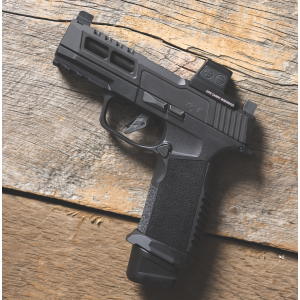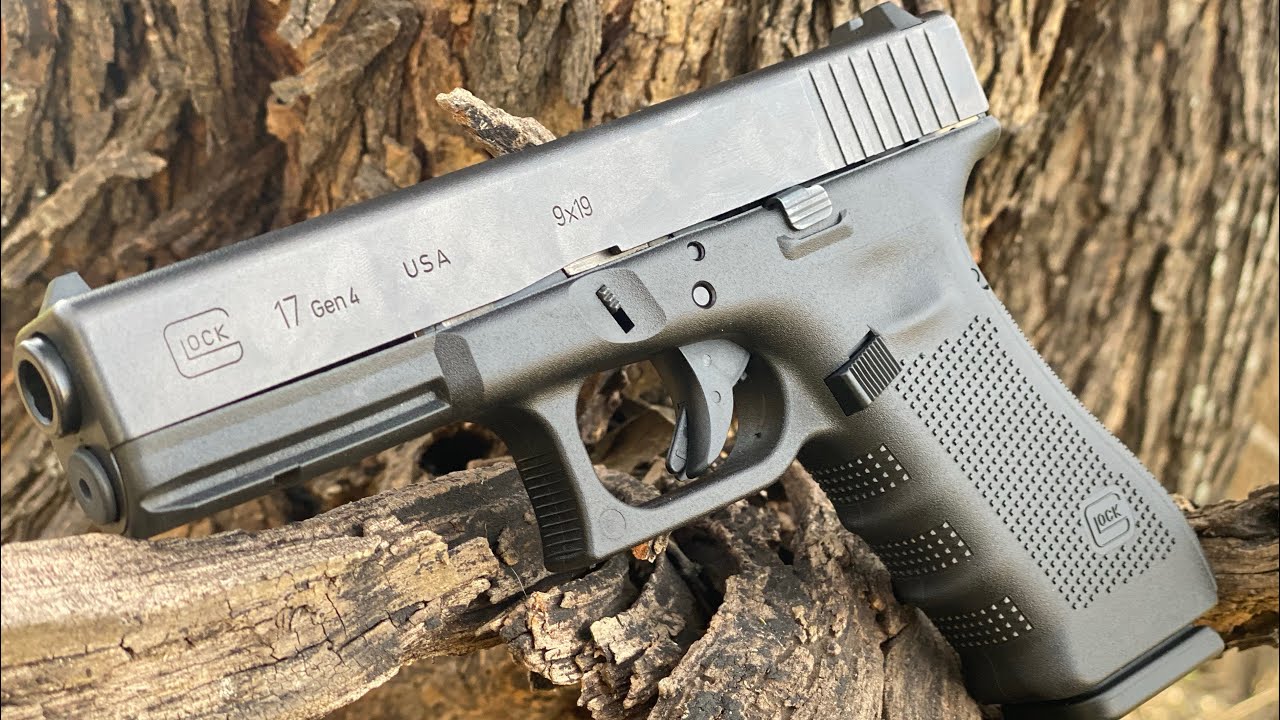
A well-engineered magwell does one job: guide a magazine into perfect alignment with the mag catch in the shortest possible time. On Glock 19/17 frames the difference between a sloppy flare and a measured funnel can be measured in tenths of a second during a reload - which is everything when speed matters. This article explains the geometry and mechanical trade-offs that let good magwell design shave reload time while preserving retention and reliability.
What the funnel actually does
Think of the magwell as a short alignment chamber. Its funnel geometry converts a fast, imprecise hand motion into a precisely seated magazine. The critical operations it performs are:
-
Catch lateral displacement and correct yaw so the magazine seats straight.
-
Reduce insertion angle sensitivity so the shooter can drive the mag home without perfect aim.
-
Protect the magazine body from impacts that would deform feed lips or followers during forceful reloads.
Key geometric variables that matter
Designers tune several dimensions to balance speed with fit and durability. Here are the variables that actually change split times and reliability:
-
Flare angle: The exterior flare angle controls how aggressively the funnel catches the magazine. Shallow angles (8-12°) are subtle and concealment-friendly; sharper angles (18-30°) guide faster but can snag clothing and print more under cover garments.
-
Throat width and radius: The throat is the narrowest internal channel just above the mag catch. A slightly oversized throat (0.2-0.5 mm clearance over the magazine body) reduces binding without allowing excessive wobble. The internal radius at the throat reduces sharp contact and guides the mag into the catch pocket smoothly.
-
Lead-in lip geometry: A rounded lead-in with a 1.5-3.0 mm fillet transitions the magazine from flare to throat; sharper edges are faster initially but create hotspots and can nick magazine bodies under repeated hard inserts.
-
Vertical depth: Deeper funnels provide more correction room, but increase printing and holster fit issues. For Glock 19/17 carry builds a depth of ~6-12 mm balances correction and concealability.
-
Tolerance stack & concentricity: Material thickness, injection molding tolerances or CNC finish, and how the magwell seats to the frame determine alignment repeatability. Tight tolerances reduce surprise binding but increase manufacturing cost.
Material and finish choices - why they affect speed and wear
Material and surface finish are not cosmetic. They change friction, abrasion, and how the magwell ages:
-
Polymer magwells: Lightweight, forgiving, and less likely to damage magazines during impact. Polymer can be textured to reduce hand slip but must be precisely molded to maintain consistent throat clearance.
-
Aluminum or billet magwells: Offer rigid, precise geometries and thin wall sections for aggressive funnels. They can be anodized for low friction, but metal-on-mag contact increases the risk of cosmetic wear on magazine bodies if the geometry is too tight.
-
Surface finish: Smooth, matte finishes with low micro-friction (tight bead blast or fine anodize) minimize hangups. Textured flares can improve hand purchase but should not be applied inside the throat or lead-in areas where abrasion matters most.
Trade-offs: speed vs retention vs concealment
Every aggressive design choice buys faster seating at the cost of something else. Use this rule-of-thumb when selecting or specifying a magwell:
-
Max speed (competition): large flare angle, deep funnel, aluminum body - higher printing, heavier profile, and potential magazine wear.
-
Balanced carry: modest flare (10-16°), short depth (~6-10 mm), polymer or thin-aluminum with a smooth fillet at the throat - improved reloads with minimal carry penalty.
-
Concealment-first: minimal flare, very shallow lead-in, or removable/low-profile magwells - slower reloads but easier reholstering and lower printing.
How to validate a magwell - a repeatable test protocol
Don’t assume a magwell works - measure it. Use this protocol to quantify improvements and detect issues:
-
Baseline timing: Record five dry reloads (strong-side pouch to seat) and five live reloads (from retention to fully seated) with the stock frame. Average the times and note any mishits.
-
Install & check clearances: Verify throat clearance with a go/no-go gauge or a magazine that’s been measured for body width. Confirm the mag catch engages with 0.2-0.5 mm play but without vertical slack.
-
Range validation: Run 5 × 5-round strings performing emergency and tactical reloads, using the exact magazines and pouch setup you’ll carry. Log failures by magazine and round number.
-
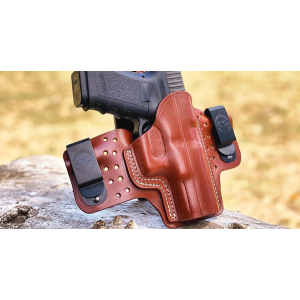
Holster & concealment check: Test in your intended carry holster - ensure the magwell doesn’t snag, and practice reholstering to confirm muzzle path clearance.
-
Longevity check: After 500-1,000 cycles, inspect magazines for wear at contact points and inspect the magwell for deformation or fastener migration.
Common failure modes and quick fixes
-
Binding at throat: Usually from undersized throat or burrs - remedy by deburring, light polishing, or opening the throat by 0.2-0.5 mm.
-
Excessive wobble: Excess clearance or poor seating of the magwell - check mag catch engagement and frame-to-magwell mating surfaces; add a thin tolerance shim if recommended by vendor.
-
Magazine damage: Sharp lead-ins or abrasive finishes can mar bodies - round fillets and switch to a smoother finish in contact areas.
-
Holster interference: Flare contacting holster mouth - choose a holster cut designed for the magwell profile or switch to a lower-profile flare for carry use.
Did you know?
A controlled funnel that shortens insertion angle sensitivity by just 6-8 degrees can reduce average tactical reload time by ~0.15-0.25 seconds for trained shooters - a measurable gain translated directly from geometry, not training alone.
Conclusion - specify by mission, validate by test
Magwell geometry is engineering, not decoration. Specify flare angle, throat clearance, lead-in radius, and material to match your mission - competition, daily carry, or concealment. Always validate with the repeatable test protocol above and treat magazines as part of the system. Small, deliberate geometry changes give predictable speed gains; random, aggressive mods usually create more problems than they solve.
For Glock-specific magwell options and precision-fit components, see our Glock component selection: Glock components & upgrades.
FAQs
1. How tight should throat clearance be for Glock 19/17 magwells?
Aim for roughly 0.2-0.5 mm clearance over the nominal magazine body width. That minimizes binding while keeping wobble low. Use precision calipers to measure magazine bodies and confirm the final assembled clearance.
2. Will a deeper magwell always make reloads faster?
Not always. Deeper funnels increase corrective distance but add bulk and increase printing. For carry builds a modest depth (6-12 mm) usually provides the best trade-off between speed and concealability.
3. Are metal magwells better than polymer?
Metal offers crisper geometry and thinner walls for aggressive funnels; polymer is lighter and kinder to magazine bodies. Choose metal for competition where rigidity and minimal tolerance stack are priorities, and polymer for everyday carry durability and reduced magazine wear.
4. My magwell causes my magazines to wobble - what should I check first?
Inspect mag catch engagement depth, ensure the magwell seats flush to the frame (no gaps or rocking), and verify that there are no molding/finish burrs inside the throat. A small shim or vendor-recommended tolerance adjustment often corrects wobble without opening the throat further.
5. How many rounds should I run to validate a magwell for daily carry?
A practical minimum is 200-300 rounds across all magazines you intend to carry, including reload scenarios. Add a follow-up inspection after 500-1,000 cycles to confirm no progressive wear or loosening has occurred.