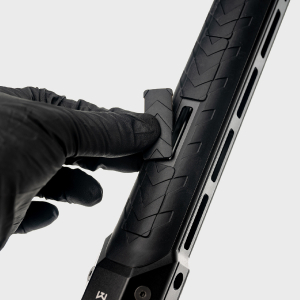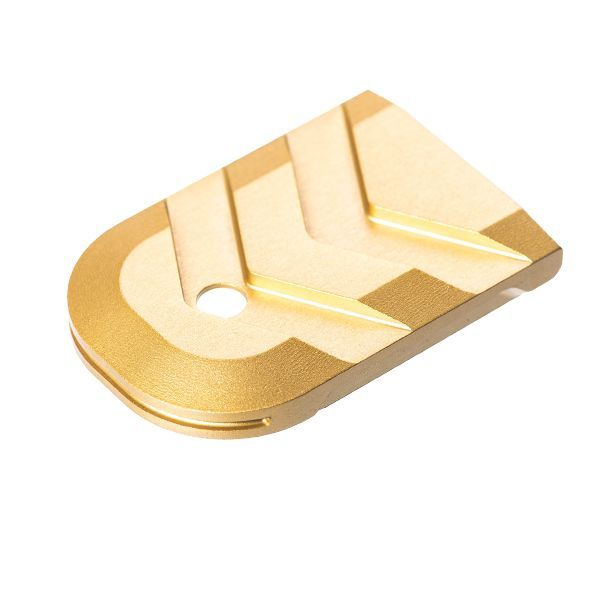
Magazine base plates are often treated as cosmetic upgrades, but on Glock platforms they directly influence feeding reliability, reload consistency, and how a magazine behaves under stress. Subtle changes in geometry, material stiffness, and internal support can alter feed angle, affect whether magazines drop free, and determine how much the floorplate flexes during impact.
Understanding these mechanics helps avoid reliability issues and ensures base plate upgrades improve function instead of introducing problems.
How Base Plates Influence Feed Angle
The base plate sets the lower boundary of the magazine stack. Its internal geometry affects spring alignment and follower travel, which in turn influences cartridge presentation.
-
Improper internal depth can tilt the spring
-
Follower instability alters round presentation angle
-
Feed angle inconsistencies increase nose-dives
A stable base plate maintains consistent upward pressure, keeping cartridges aligned with the feed ramp.
Drop-Free Behavior: Why Some Magazines Stick
Drop-free reliability depends on external dimensions and internal tension. Base plates that slightly exceed factory width tolerances can drag against the grip or magwell.
External Profile Matters
Even minor overhangs or sharp edges can catch during ejection. This is more noticeable in frames with flared magwells or tight tolerances.
Internal Spring Compression
Excessive preload increases friction between the magazine body and frame. This can prevent clean ejection, especially when partially loaded.
Floorplate Flex Under Impact
Floorplate flex becomes critical during reloads and drops. Materials that are too rigid can crack, while overly flexible designs absorb energy unevenly.
-
Rigid plates transfer impact stress to locking tabs
-
Excess flex can destabilize the spring base
-
Balanced stiffness preserves lockup integrity
A controlled amount of flex protects both the plate and magazine body during repeated impacts.
Common Issues Caused by Poor Base Plate Design
Base plates that are not engineered around Glock magazine geometry often introduce these problems:
-
Inconsistent feeding on the last rounds
-
Magazines failing to drop free under gravity
-
Floorplates cracking or loosening over time
-
Spring binding after repeated reloads
Most of these issues stem from tolerance stacking rather than installation error.
Did You Know?
Feed angle inconsistencies are more likely to appear under partial magazine loads, where spring alignment becomes critical.
Conclusion
Glock magazine base plates play a larger role than most shooters realize. Proper feed angle support, true drop-free behavior, and controlled floorplate flex all depend on precise geometry and material balance. Choosing well-engineered base plates prevents reliability issues and preserves consistent performance during reloads and impacts. To explore options designed around Glock magazine dynamics, browse Glock magazine extensions built to maintain function under real use.
FAQs
Can base plates affect Glock feeding reliability?
Yes. Poor internal geometry can alter spring alignment and feed angle.
Why don’t some magazines drop free after base plate upgrades?
External width changes or increased internal tension often cause drag.
Is floorplate flex a bad thing?
No. Controlled flex helps absorb impact and protect locking tabs.
Do heavier base plates improve reliability?
Weight alone does not improve feeding. Geometry and stiffness matter more.
Should magazines be tested after changing base plates?
Always. Function testing confirms drop-free behavior and feeding consistency.