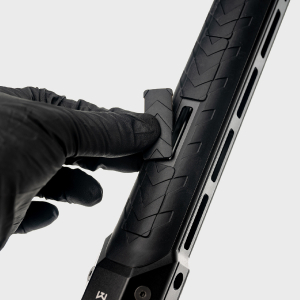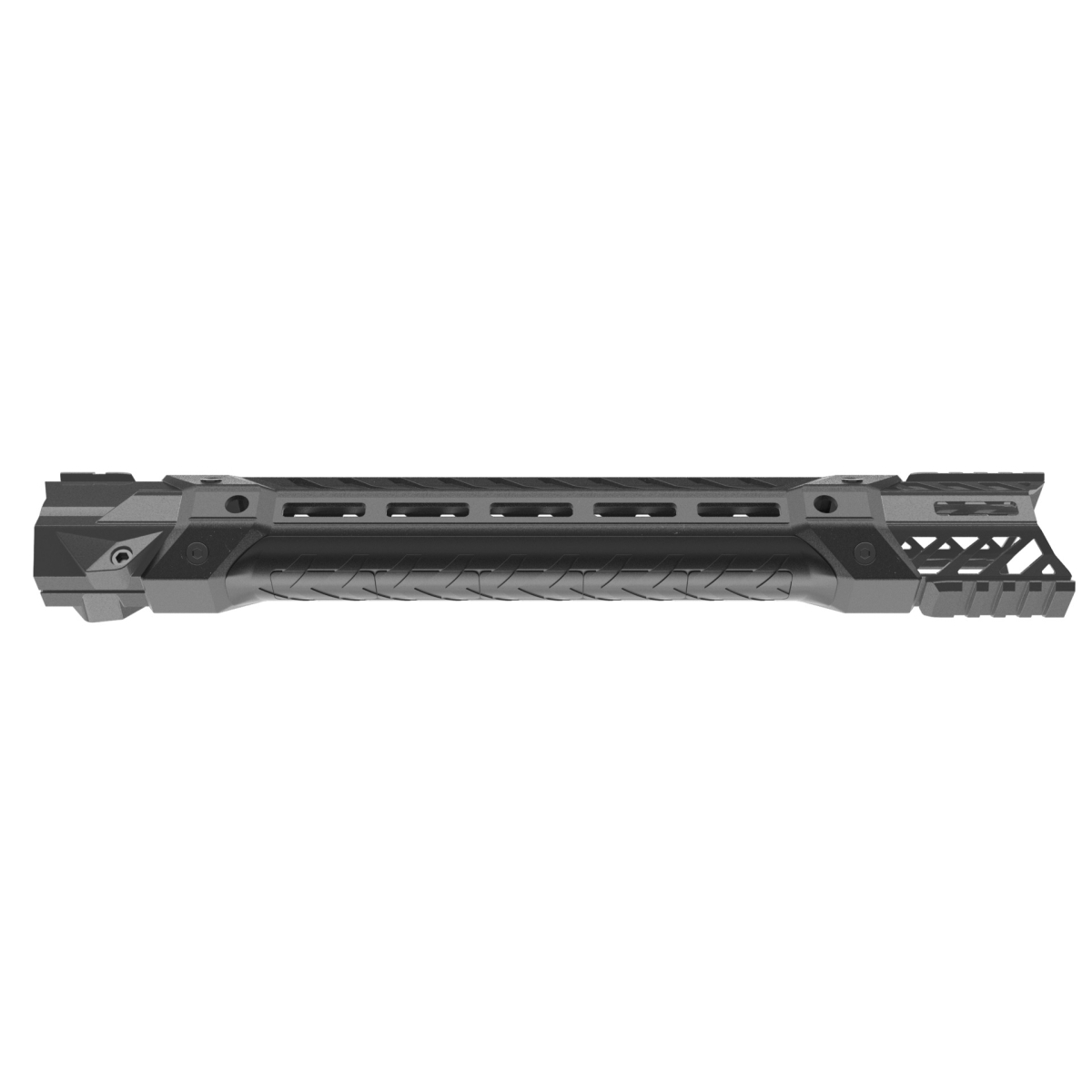
Modern handguards offer more QD mounting options than ever, but adding multiple QD points without a plan often creates sling bind, twisting, and inconsistent rifle control. The problem is not the number of QD mounts—it is how they are positioned, paired, and used.
A proper QD strategy treats the sling as a moving system. When mounting points are selected intentionally, multiple QD locations add versatility without introducing tangles or interference.
Why Sling Tangling Happens on Multi-QD Setups
Sling issues usually come from geometry, not hardware. When QD points fight each other, the sling twists under tension.
- QD points placed on the same axis cause rotational bind
- Front and rear mounts misaligned with sling path create twists
- Too many active attachment points increase crossover risk
Understanding sling movement under load is critical before placing mounts.
Primary vs Secondary QD Points
Not every QD socket should be used at the same time. NexGen handguards allow multiple mounting locations so the rifle can be configured for different roles.
Primary QD Points
The primary points are the default attachment locations used during normal carry and shooting. These should provide straight sling travel with minimal rotation.
-
Front primary QD: near the 3 or 9 o’clock position
-
Rear primary QD: aligned with the stock or receiver endplate
Secondary QD Points
Secondary points exist for mission-specific setups, such as barricade work or support-side transitions. These should remain unused until needed.
Leaving unused QD sockets empty prevents unnecessary sling crossover.
Optimal QD Placement on Handguards
Handguard-mounted QD points should guide the sling forward without forcing rotation.
Avoid Vertical Alignment
Mounting QD points directly at 6 o’clock encourages the sling to twist as tension changes. Side-mounted positions provide more stable alignment.
Use Offset Geometry
Offset QD locations reduce sling contact with the handguard, lights, and accessories. This minimizes snagging during movement.
Match Front and Rear Angles
The sling should travel in a straight line from rear to front. Misaligned angles create torque that leads to tangling.
Managing Two-Point Sling Transitions
Multiple QD points shine during transitions, but only when used deliberately.
-
Disconnect and reconnect when changing roles
-
Avoid running two front QD points simultaneously
-
Keep sling routing consistent across setups
Quick-detach capability is a tool, not an excuse for permanent over-attachment.
Accessory Interference Considerations
Lights, pressure switches, and hand stops influence sling behavior. QD mounts should be placed to avoid contact during recoil and movement.
-
Keep sling path clear of pressure pads
-
Avoid routing across sharp rail edges
-
Test movement with full kit installed
Dry runs reveal problems before they appear under load.
Did You Know?
Most sling tangling issues occur during transitions, not static carry, due to changing tension angles.
Conclusion
Using multiple QD points effectively comes down to intentional placement and disciplined use. Primary and secondary mounts serve different roles, and only one sling path should be active at a time. When geometry is respected, NexGen handguards offer flexibility without sacrificing control or consistency. To explore rail systems designed for modular mounting and clean sling routing, view AR-15 handguards and rails built for modern setups.
FAQs
Is it bad to install multiple QD mounts on a handguard?
No. Problems occur only when multiple mounts are used simultaneously without planning.
Where should the front QD mount be placed?
Near the 3 or 9 o’clock position for straight sling travel.
Should unused QD sockets be left empty?
Yes. Empty sockets prevent accidental sling crossover.
Do offset QD mounts reduce tangling?
Yes. Offset geometry improves sling alignment and clearance.
Should sling setup be tested with accessories installed?
Always. Accessories change sling routing and tension behavior.