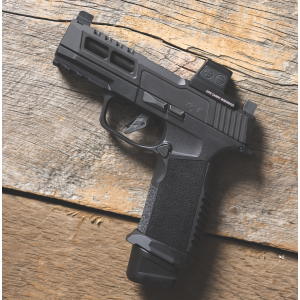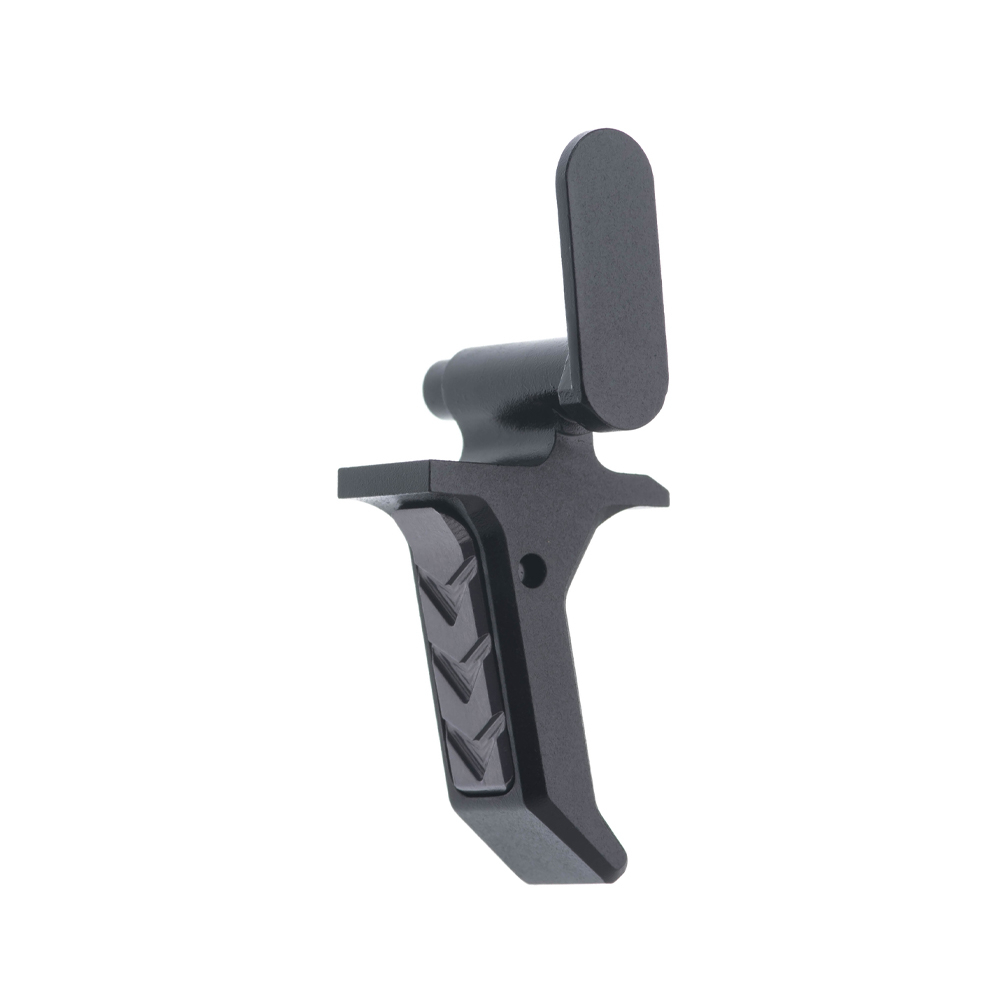
Upgrading a P320 trigger shoe is often done to achieve a cleaner break and more defined wall. Yet many shooters install a “crisper” shoe and still end up with a trigger that feels soft, vague, or inconsistent. When that happens, the shoe itself is rarely the problem.
A mushy trigger feel usually comes from stacking tolerances, internal engagement surfaces, or spring dynamics working against the intended upgrade. Understanding where that softness originates allows the issue to be corrected without guesswork.
Why a New Trigger Shoe Doesn’t Always Fix Feel
The trigger shoe affects finger placement and leverage, but it does not control most of the internal mechanics that define break quality. If the underlying system remains unchanged, the feel may improve ergonomically while remaining mechanically soft.
-
The shoe changes input, not engagement geometry
-
Internal friction masks a clean break
-
Spring tension influences wall definition
This is why a trigger can feel lighter or flatter, yet still lack a crisp break.
Common Causes of a Mushy P320 Trigger
Trigger Bar and Sear Engagement
The P320 relies on precise interaction between the trigger bar, sear, and striker. Excess surface contact or uneven engagement creates a rolling break instead of a defined wall.
Even minor machining variances can introduce drag that a new shoe cannot overcome.
Overtravel and Reset Geometry
Excess overtravel softens the perceived break by allowing movement past the release point. If overtravel is not controlled, the trigger feels less defined even when the shoe is upgraded.
Spring Stack and Return Tension
Trigger return and striker springs directly affect how firm the wall feels. Lighter or worn springs reduce resistance, making the break feel spongy rather than clean.
How to Diagnose the Source of the Problem
Before replacing parts, isolate the issue through controlled checks:
-
Dry fire slowly to identify wall consistency
-
Observe reset length and firmness
-
Check for lateral play in the trigger bar
-
Compare take-up resistance before and after the wall
If the wall feels inconsistent or continues to move under pressure, the issue lies deeper than the trigger shoe.
What Actually Improves a Mushy Trigger Feel
Polished Engagement Surfaces
Reducing friction at key contact points allows the break to occur cleanly instead of dragging through release.
Controlled Overtravel
Managing overtravel tightens the break point and improves reset feedback, making the trigger feel sharper.
Balanced Spring Selection
Maintaining sufficient spring tension preserves wall definition while still improving smoothness.
Did You Know?
Did you know? A trigger can feel lighter yet less crisp if spring tension is reduced without addressing engagement friction.
Conclusion
A mushy P320 trigger after a shoe upgrade signals a mechanical imbalance, not a failed part choice. Addressing engagement surfaces, overtravel, and spring dynamics restores the crisp break shooters expect while maintaining reliability. When paired with properly engineered components, trigger upgrades deliver measurable improvements instead of cosmetic changes. To explore precision options designed for consistent feel, view SIG Sauer components built to support refined trigger performance.
FAQs
Can a trigger shoe alone make a P320 trigger crisp?
No. A shoe improves ergonomics but does not control engagement geometry.
Does polishing internal parts reduce safety?
No, when done correctly without altering engagement angles.
Why does my trigger feel soft after reducing spring weight?
Lower spring tension reduces wall resistance, making the break feel mushy.
Is overtravel adjustment important for trigger feel?
Yes. Excess overtravel masks a clean break and weakens reset feedback.
Should reliability be tested after trigger changes?
Always. Any trigger modification should be function-tested before use.