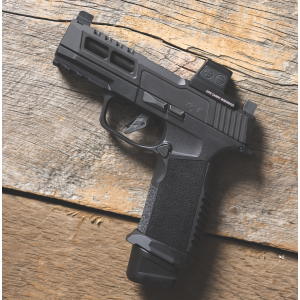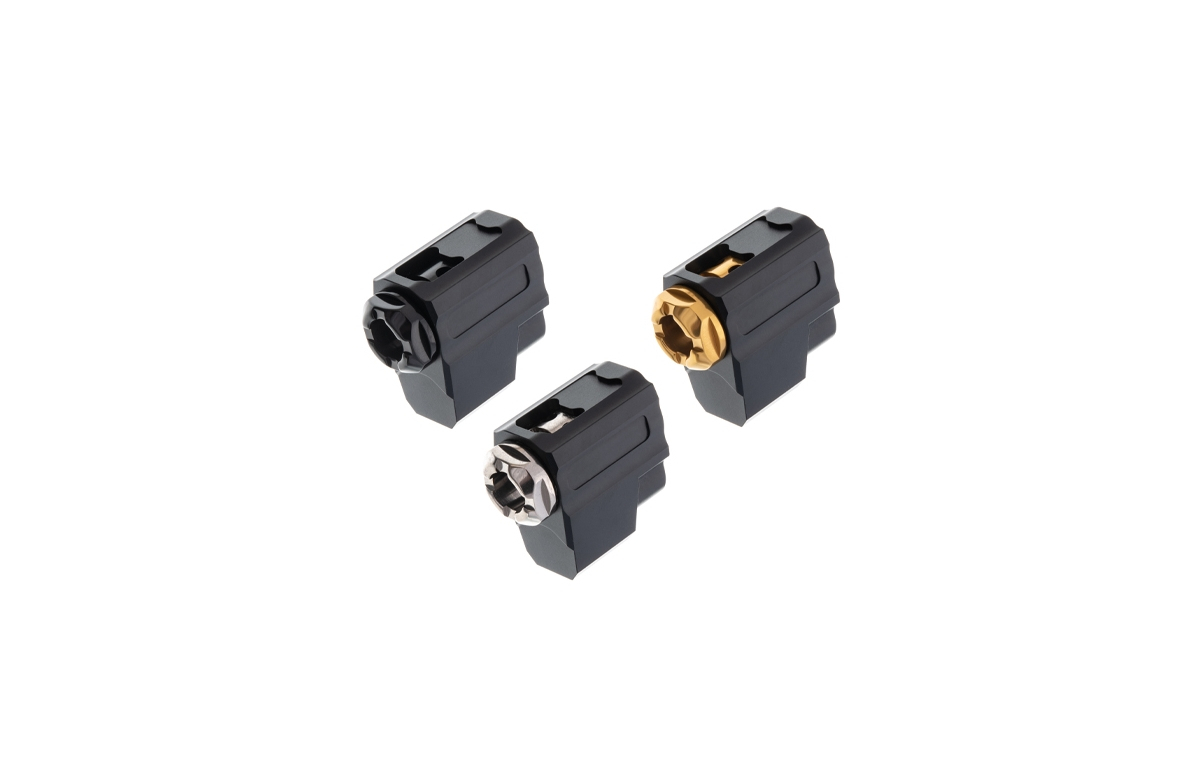
Compensated P365 builds offer flatter shooting and faster follow-up shots, but they also introduce a common frustration: unreliable cycling. Many issues blamed on the compensator are actually ammo-related. Choosing the right ammunition is not about trial and error—it comes down to understanding pressure, bullet weight, and how a comp changes the system.
This breakdown explains how to select ammo that cycles consistently in a P365 comp build, without guesswork or unnecessary part swaps.
Why Compensators Change Ammo Requirements
A compensator redirects gas upward to reduce muzzle rise. That same gas is energy the slide normally uses to cycle. When gas is diverted, the system becomes more sensitive to ammo choice.
-
Less gas reaching the slide means less rearward force
-
Lower-powered ammo may fail to cycle fully
-
Slide velocity becomes more dependent on pressure consistency
This is why ammo that runs perfectly in a stock P365 can struggle once a comp is added.
Bullet Weight: The First Variable to Get Right
Bullet weight plays a major role in how energy is delivered to the slide.
Lighter Bullets (115gr)
115gr ammo often produces less recoil impulse and shorter pressure duration. In comped P365 builds, this can result in short-stroking or failures to eject.
Mid-Weight Bullets (124gr)
124gr loads strike a balance between velocity and pressure duration. They are often the most reliable option for compensated micro-compacts.
Heavier Bullets (147gr)
147gr ammo produces a longer, smoother impulse. Many comped P365 builds cycle more reliably with this weight, especially when paired with factory recoil springs.
Pressure Matters More Than Velocity
Muzzle velocity alone does not determine cycling reliability. What matters is how long pressure is maintained as the bullet travels down the barrel.
-
Standard-pressure loads may struggle with comps
-
NATO or +P loads provide stronger, longer impulse
-
Inconsistent pressure causes erratic ejection patterns
Reliable cycling depends on consistent pressure curves, not advertised speed.
Signs Your Ammo Is Underpowered
A comped P365 will usually tell you when ammo isn’t right. Watch for these indicators:
-
Failure to return fully into battery
-
Weak or inconsistent ejection
-
Slide locking back intermittently
-
Increased sensitivity to grip pressure
If these occur, ammo selection should be addressed before changing springs or hardware.
Did You Know?
Did you know? Many compensated pistols cycle more reliably with heavier bullets because longer pressure duration matters more than peak recoil in short-slide systems.
Conclusion
Picking ammo for a P365 comp build does not require experimentation or constant tuning. Heavier bullet weights, consistent pressure curves, and avoiding underpowered loads solve most cycling issues immediately. Once ammo is matched to the system, compensated P365 builds run smoothly and predictably. For purpose-built options that complement comped setups, explore SIG Sauer components designed to maintain reliability without compromise.
FAQs
Will factory 115gr ammo work in a P365 with a compensator?
Sometimes, but it is the most common cause of cycling issues in comped builds.
Is +P ammo required for compensated P365 pistols?
Not always, but higher-pressure loads often improve reliability.
Does ammo choice affect recoil spring selection?
Yes. Proper ammo often eliminates the need to change recoil springs.
Is 147gr ammo safe for P365 comp builds?
Yes, when using quality factory ammunition within SAAMI specifications.
Should ammo be tested before carry?
Always. Even correct ammo should be function-tested for reliability.