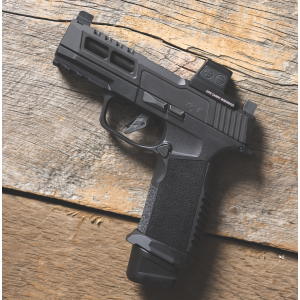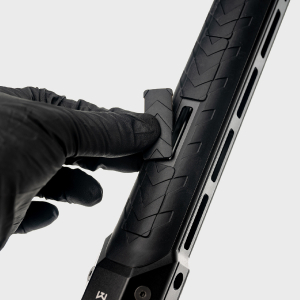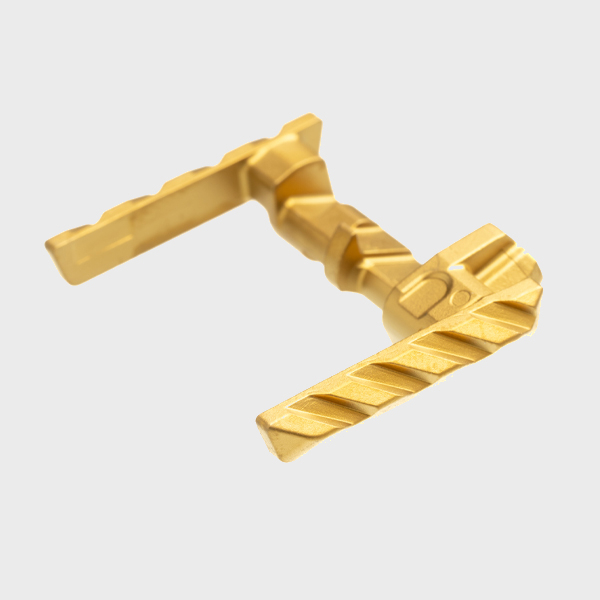
The SIG P365 manual safety is designed to provide confident on/off control without disrupting the shooting grip. However, some shooters experience a safety lever that feels either too soft to trust or too stiff to sweep cleanly. Upgrading the safety lever can improve tactile feedback—but only when the underlying geometry and tension remain balanced.
Achieving positive engagement without creating a heavy or sticky sweep requires attention to detent pressure, lever profile, and installation quality.
What “Positive Engagement” Really Means
A proper manual safety should provide clear tactile confirmation at both positions while maintaining smooth movement.
-
Distinct click into safe and fire positions
- Consistent resistance through the sweep
- No grinding, stacking, or hesitation
If the lever feels vague or overly stiff, the issue usually involves detent interaction rather than the lever alone.
Common Causes of a Stiff Safety Sweep
Excess Detent Pressure
The safety detent and spring create the resistance felt during operation. Overly strong spring tension or rough detent surfaces increase sweep force.
Lever Geometry and Contact Surfaces
Aftermarket levers with sharper engagement shoulders can increase friction if tolerances stack tightly inside the frame.
Installation Alignment Issues
Improper installation can cause the safety to bind slightly against the frame cutout, creating inconsistent resistance during movement.
Features That Improve Safety Lever Feel
Optimized Paddle Profile
A well-designed paddle provides enough surface area for confident manipulation without forcing the thumb to overreach or apply excessive force.
Refined Engagement Surfaces
Smoothly finished contact points reduce drag while preserving the crisp detent feel shooters expect.
Balanced Detent Interaction
The best upgrades maintain factory-safe engagement depth while improving tactile feedback rather than simply increasing resistance.
How to Evaluate Safety Performance After Upgrading
After installation, verify operation methodically.
-
Sweep the safety slowly to feel for stacking
-
Check for consistent click in both directions
-
Confirm the lever does not rub the frame
-
Test with both strong-hand and support-hand operation
Function testing ensures the upgrade improves control without compromising reliability.
Avoid Over-Tuning the System
Attempts to reduce stiffness too aggressively can create new problems.
-
Weak detent pressure leads to accidental movement
-
Excess polishing can reduce engagement confidence
-
Over-light springs compromise tactile feedback
The goal is controlled resistance—not the lightest possible sweep.
Did You Know?
Safety levers that feel overly stiff often smooth out slightly after proper break-in cycles as detent surfaces burnish together.
Conclusion
A well-executed P365 safety lever upgrade delivers clear tactile engagement while maintaining a smooth, predictable sweep. Proper geometry, balanced detent pressure, and careful installation eliminate stiffness without sacrificing confidence. When tuned correctly, the manual safety becomes faster to operate and more consistent under stress. To explore precision components designed for SIG platforms, browse SIG Sauer upgrades engineered for dependable performance.
FAQs
Should a P365 safety lever feel stiff?
It should feel firm and positive, but not difficult to sweep.
Can a new safety lever loosen with use?
Yes. Normal cycling can slightly smooth detent engagement.
Is polishing the safety detent recommended?
Only with care. Excess polishing can reduce positive engagement.
What causes inconsistent safety movement?
Misalignment, rough detent surfaces, or tolerance stacking.
Should the safety be function-tested after installation?
Always. Verify consistent engagement before live use.