When it comes to fast and efficient reloading, the method you choose plays a significant role in your shooting speed and overall performance. For shooters using pistols with extended controls like a slide-stop or extended mag release, there are two common reload techniques: the slide-stop method and the **overhand method**. Both techniques are effective, but understanding when and why to use one over the other can make all the difference in a high-pressure shooting scenario. This article breaks down the benefits and drawbacks of each technique, helping you choose the best method for your shooting style.
Understanding the Reload Process
Reloading is the process of replacing an empty magazine with a fresh one and chambering a round. There are two key components of this action: ejecting the empty magazine and chambering a round. The efficiency of these steps depends on your technique, hand positioning, and use of controls such as the slide stop or your dominant hand.
Slide-Stop Reload Technique
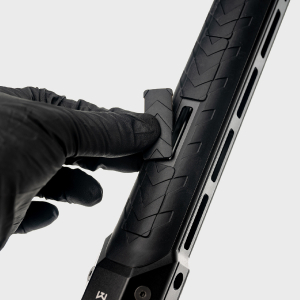
The slide-stop reload involves using the slide stop lever to release the slide and chamber a round after inserting a new magazine. This technique is popular for those who want a single-handed, fluid motion when reloading. By simply inserting the magazine and pressing the slide stop, you ensure the gun is ready to fire with minimal movement.
Advantages of the Slide-Stop Reload
-
Faster reload time: The slide locks back automatically when the magazine is empty. Releasing it by hitting the slide stop while inserting the magazine can be a smooth and fast motion.
-
Single-hand operation: It allows you to keep your primary shooting hand in position, making it easier to maintain a stable grip during the reload.
-
Consistency: With proper practice, the slide-stop reload offers consistent performance and faster follow-up shots.
Disadvantages of the Slide-Stop Reload
-
Potential slide-lock malfunction: If the slide-stop lever is not fully engaged, it may fail to lock the slide back, which can lead to an incomplete reload.
-
Inconsistent control: For some shooters, using the slide-stop to release the slide might feel unnatural, causing hesitation or awkward manipulation of the controls.
Overhand Reload Technique
The overhand reload method is often called the "slingshot" technique. It involves grabbing the slide with your non-dominant hand and pulling it back to chamber a round after inserting a fresh magazine. This method uses both hands to manipulate the slide, ensuring a reliable chambering of the round and often providing more control over the slide.
Advantages of the Overhand Reload
-
More control over the slide: With both hands engaged, you have a firmer grip on the slide, reducing the chances of short-stroking or inconsistent cycling.
-
Less reliance on the slide stop: This method doesn’t depend on the slide stop to function properly, reducing the chance of malfunction.
-
More versatility: The overhand reload can be more efficient for users with different hand sizes and grip styles, providing a more adaptable method for a wider range of shooters.
Disadvantages of the Overhand Reload
-
Slower reload time: It requires both hands, which can make the reload a bit slower, especially when performing under pressure or in a high-stress environment.
-
Possible loss of shooting position: While engaging in the overhand reload, you have to shift your grip, which can briefly disrupt your shooting stance or target acquisition.
Which Reload Technique is Best for You?
The choice between slide-stop and overhand reloads depends on your specific needs, style, and firearm configuration. If you prefer speed and one-handed operation, the slide-stop method is likely the best option. However, if you value control and reliability, especially in high-stress situations, the overhand technique might be more suited to your needs.
Combining the Best of Both Worlds
Many experienced shooters don’t strictly choose one technique over the other. Instead, they adapt their method depending on the situation, firearm type, and speed required. For example, when engaging in a tactical reload, you might prefer the slide-stop method to get back into action quickly. During a malfunction clearance or tactical reload under more controlled conditions, the overhand method might provide more security and confidence.
Did you know?
In competitive shooting, the overhand reload has been proven to be more reliable, especially when shooters are using extended slide releases or have smaller hands that find it difficult to use the slide stop effectively.
Conclusion: Make the Right Choice for Your Reloads
The key to mastering reloads with your Glock or any other pistol is to understand both the slide-stop and overhand methods. Experiment with both techniques during dry fire and live-fire practice to determine which one works best for you. By practicing and perfecting your reload techniques, you can maximize your shooting speed and efficiency, ensuring a smoother, faster operation whether you’re at the range or in a real-world defensive situation.
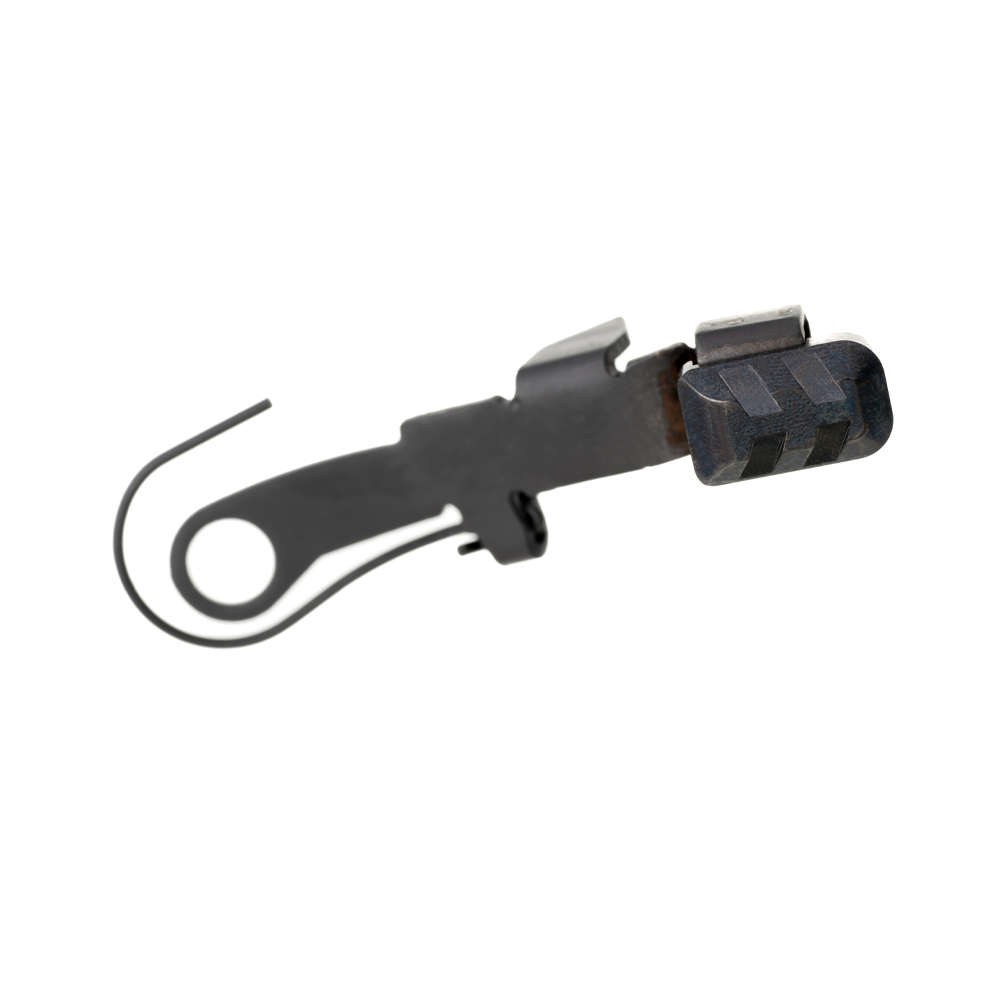
For precision-machined parts and extended controls that improve your reloading capabilities, check out Tyrant CNC extended slide releases.
FAQs
1. Is the slide-stop reload faster than the overhand reload?
The slide-stop reload is typically faster because it uses a single motion to release the slide while inserting the magazine. However, it’s less reliable for some shooters and certain conditions.
2. Can I use both reload methods in a match?
Yes, many shooters alternate between both methods depending on the situation and the firearm's configuration. Practice with both to gain versatility.
3. Which method is more reliable under stress?
The overhand reload tends to be more reliable under stress, as it gives more control over the slide, ensuring proper function even when fatigued or rushed.
4. Does the overhand reload slow down my shooting pace?
Yes, it can be slower because it requires using both hands and may momentarily disrupt your grip, but it offers more reliability in terms of handling the firearm.
5. Should I modify my pistol to improve slide-stop access?
If you are comfortable using the slide-stop reload, consider upgrading to an extended slide release for easier access during high-speed reloads.